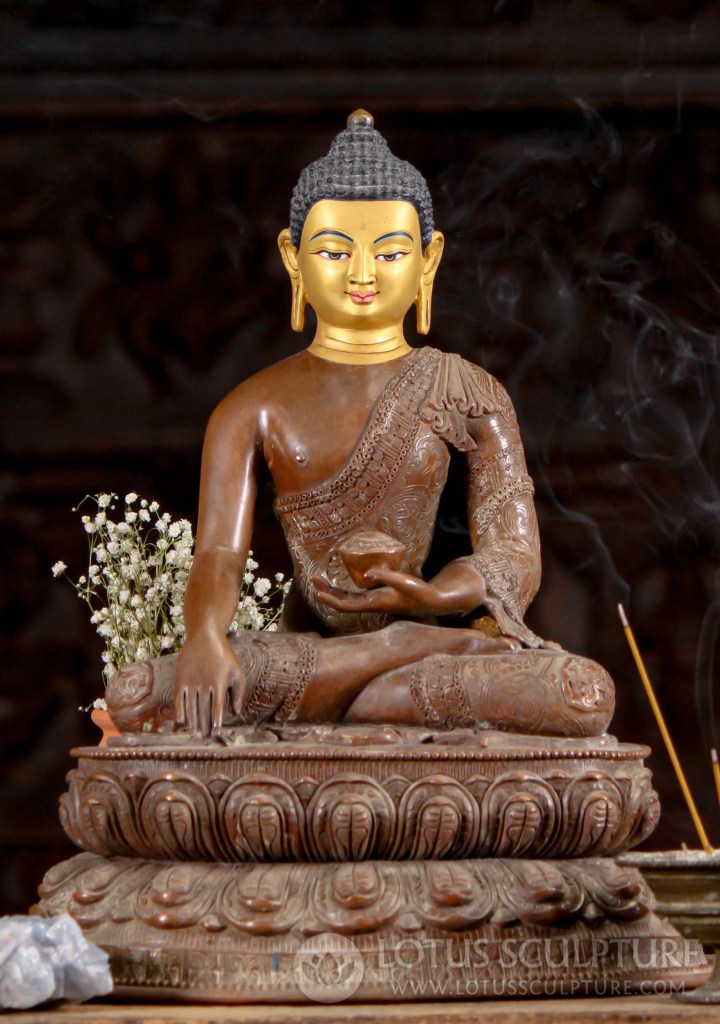
Mindfulness Meditation
Mindfulness meditation is a practice that focuses your attention on the present moment, without judgment. This can help reduce stress, increase self-awareness and promote emotional well-being. Engaging in mindfulness meditation regularly can improve your mental and emotional health by cultivating a state of calm and awareness.
Meditation
Meditation practice induces a state of relaxation and inner peace. There are many different types of meditation. Most involve focusing the mind on a particular object, thought, or activity, such as the breath, a mantra, or a visualization. Regular meditation practice has been shown to reduce stress, increase self-awareness, promote emotional health, improve concentration and memory.
The Inner Observer
When we meditate and experience inner peace, we are disengaging from the ego and engaging with our core self. The ego is a judger and the core self is a perceiver. The core self is the inner observer. The core self is known by different names. In Jungian Psychology it is known as the Self. In contemporary psychology it is referred to as meta-awareness. Meta-awareness is awareness of mind. Awareness of thoughts, feelings, sensations and perceptions. The ego likes to project into the future and dwell in the past. It is good to prepare for the future and develop foresight. And it is good to learn from our past mistakes so that we don’t repeat them. But it is not good to be projecting into the future and dwelling in the past all the time as this will make us anxious and depressed, and distract us from being in the present.
Mindfulness
Mindfulness is being fully present and engaged in the moment, without judgment. Mindfulness is cultivating awareness of your thoughts, feelings, bodily sensations and the environment around you. By practising mindfulness, you can better manage stress, reduce anxiety, improve concentration, and enhance overall happiness and well-being.
The origins of mindfulness
Buddhism
Thich Nach Han, the “father of mindfulness”, The Miracle of Mindfulness
Being in the present
Ram Dass, Be Here Now
Eckhart Tolle, The Power of Now
Mindfulness Meditation
Combining mindfulness with meditation can amplify the benefits of both practices. Mindfulness meditation involves paying attention to the present moment with openness and acceptance, often using the breath as a focal point. This can help calm the mind, reduce distractions, and deepen awareness of inner experiences.
Clinical Application
People with insecure attachment styles have experienced relational trauma, lack of attunement, dismissive or inconsistent parenting, or traumatic care. They lack insight, self-reflection, and are embedded in their experience (psychic equivalence). MM helps people with insecure attachment to develop self-awareness, self-reflection, mentalization, empathy, flexible thinking, and secure attachment.
Mindfulness Exercises
Mindfulness meditation
Be in the moment
Focus on your breathing
Body scan
Walking meditation
References
APA, 2019. Mindfulness meditation: A research-proven way to reduce stress. [Online]
Available at: https://www.apa.org/topics/mindfulness/meditation
ChatGpt, 2024. Mindfulness Meditation. s.l.:OpenAI.
MC, 2022. Mindfulness exercises. [Online] Available at: http://www.mayoclinic.org/healthy-lifestyle/consumer-health/in-depth/mindfulness-exercises
NHS, 2022. 5 steps to mental wellbeing. [Online] Available at: https://www.nhs.uk/mental-health/self-help/guides-tools-and-activities/five-steps-to-mental-wellbeing
Wallin, D. J., 2007. Attachment in Psychotherapy. New York: Guilford (2015).
John Gallagher © 2024
 John Gallagher